


BACK
Post Date:
5th Nov 2026
Post Author:

Post Summary:
As winter is approaching, there are many plants that can help keep those winter blues away. Join Claire to discover the secret science behind herbs and foods available in the wild
Post Sponsor:
Natures Antidote to the WInter Blues
As the winter approaches and daylight fades, it’s easy to feel lethargic and wish the time away, longing for Spring. But many plants in your plot, garden, or local hedgerow can help keep those winter blues at bay while contributing to your health and wellbeing. In this edition, GrowMad’s own biology expert, Claire Tilley, forages far and wide to discover the secret science behind humble herbs and untamed wild foods.
Herbs
Many of the perennial and evergreen herbs you can grow have amazing nutritional and therapeutic properties and have been utilised by people for thousands of years. Herbs contain essential oils responsible for their medicinal properties and have a high nutritional value from minerals and polyphenols. These beneficial plant compounds have powerful antioxidant properties within our bodies, neutralising ‘free radicals’- unstable molecules that can damage cells and increase disease risk. Polyphenols also have anti-inflammatory effects. As gardeners are particularly susceptible to inflammatory issues in their hands, wrists, knees, and backs, what better way to help than by growing plants with anti-inflammatory properties?
Let’s start by taking a look at some of the remedies available to you that will still be growing now.
Thyme: The Winter Soother
Thymus vulgaris contains thymol, a potent essential oil with antibacterial and antifungal properties that disrupts cell membranes. Used for centuries to treat coughs, colds, and bronchitis, thyme helps loosen mucus and reduce airway inflammation. It's packed with iron, magnesium, potassium, manganese, and vitamins A and C. Another essential oil, carvacrol, increases serotonin and dopamine levels for mood-boosting calm and wellbeing.
Sage: The Cognitive companion
Beyond its antioxidant properties, Sage helps memory and concentration. It contains phytoestrogens, which are compounds that mimic the natural female hormone oestrogen, making it a valuable ally for those experiencing menopausal symptoms.
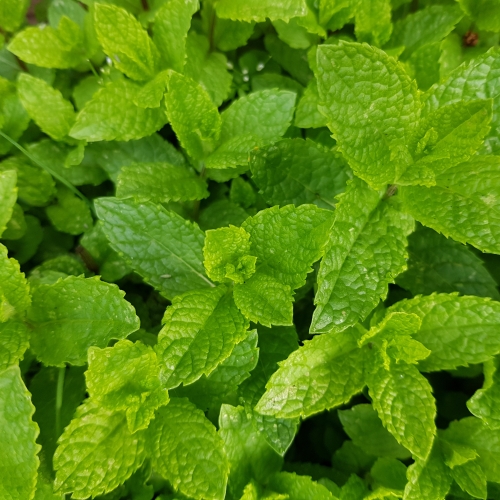
Mint: A Decongestant Ally
Mint- give it an inch and it will take a mile! Hopefully you have some pot grown mint, that can be regularly harvested during the autumn.
Its main essential oil is menthol, a well-known decongestant perfect for fighting pesky winter colds. Inhaling it can improve focus and reduce fatigue, while the oil can be used on the skin to soothe headaches and ease aching joints and muscles after a hard day on the plot. When ingested, mint is a good source of Vitamins A and C, Calcium, Iron, and Potassium and can help with indigestion and nausea.
Chamomile and Lemon Balm: A Calming Duo
Most of you will have come across chamomile tea- made from the flowers of both Roman and German varieties, as an aid to sleep. This is due to a type of polyphenol called Apigenin, which works on receptors in the brain to act as a mild tranquiliser and sedative. Interestingly, parsley contains over nine times as much of this compound, but Chamomile makes a far more palatable tea!
Lemon balm, another easily grown perennial, improves sleep, reduces anxiety, and helps stomach issues.
All herbs from the Lamiaceae family-rosemary, oregano, sage, thyme, mint, lemon balm-contain rosmarinic acid, giving them antioxidant and anti-inflammatory effects
Nettles: A Mineral Tonic
Unless your plot is meticulously weeded, the likelihood of finding Nettles is quite high! Rather than seeing them as a pest, embrace their value!
Rich in iron, calcium, magnesium, and vitamins A and C, they make an excellent mineral tonic for joint health and seasonal allergies. Cook like spinach or make into tea.
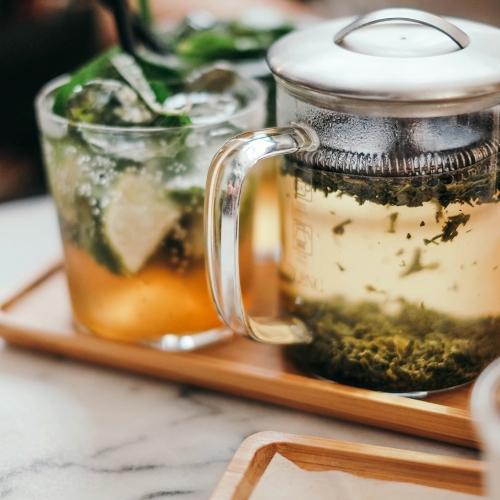
Making the Perfect Tisane
With all the plants detailed here, the benefits are much greater if you consume them as a 'Tisane' or herbal tea. Use one tablespoon of fresh plant, or half that amount of dried plant, in a teacup or infuser. Pour on boiling water and steep for 10 minutes. Hot water extracts the beneficial compounds for better absorption in the body. thyme, sage, or nettle teas are somewhat of an acquired taste, so add honey or a slice of lemon. Mint and chamomile are lovely alone.
Hedgerow Remedies and Recipes
Moving away from the plot to the hedgerow, nature provides a bounty of winter remedies.
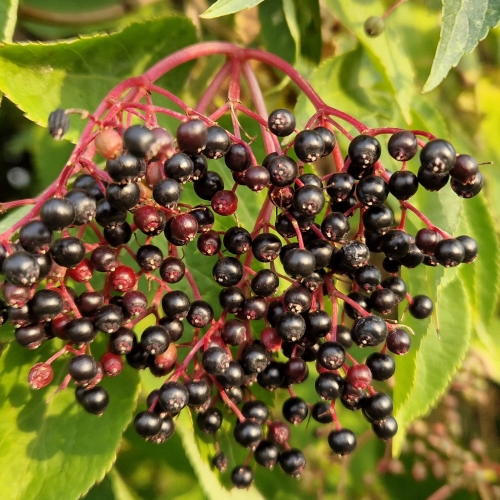
Elderberries (Sambucus nigra)
Elderberries are packed with anthocyanins, pigments that give fruit and veg their vibrant colour. They also have antioxidant and anti-inflammatory properties shown to influence key cells of the immune system. This makes them an excellent berry to consume before the cold and flu season. Raw elderberries contain cyanide releasing compounds, so must be cooked before use. To make a syrup, boil equal parts of berries with water for at least 30 minutes, uncovered until reduced by half. Cool slightly, sieve out the berries, add honey to taste (preferably from an allotmenteers hive!) Take 1-2 tablespoons 2-3 times daily during colds or flu.
Rosehips (Rosa canina)
Wild rosehips are hopefully abundant at this time of year and contain more vitamin C than citrus fruits, plus vitamins A, D, and E, so excellent for the immune system. The hips also contain phenolic acids which have been shown to have anti-inflammatory and anti-aging effects on the skin.
For rosehip syrup, rinse, dry and trim the end of the rosehips, piercing each with a knife or fork. In a sterilised jar, layers rosehips and sugar, making sure sugar fills all the gaps. Seal the jar, leave in a sunny spot for up to 2 months, turning it occasionally until a syrup has formed. Strain then refrigerate in sterilised bottles. Take by the spoonful, dilute in sparkling water, or maybe even drizzle some over a rice pudding.
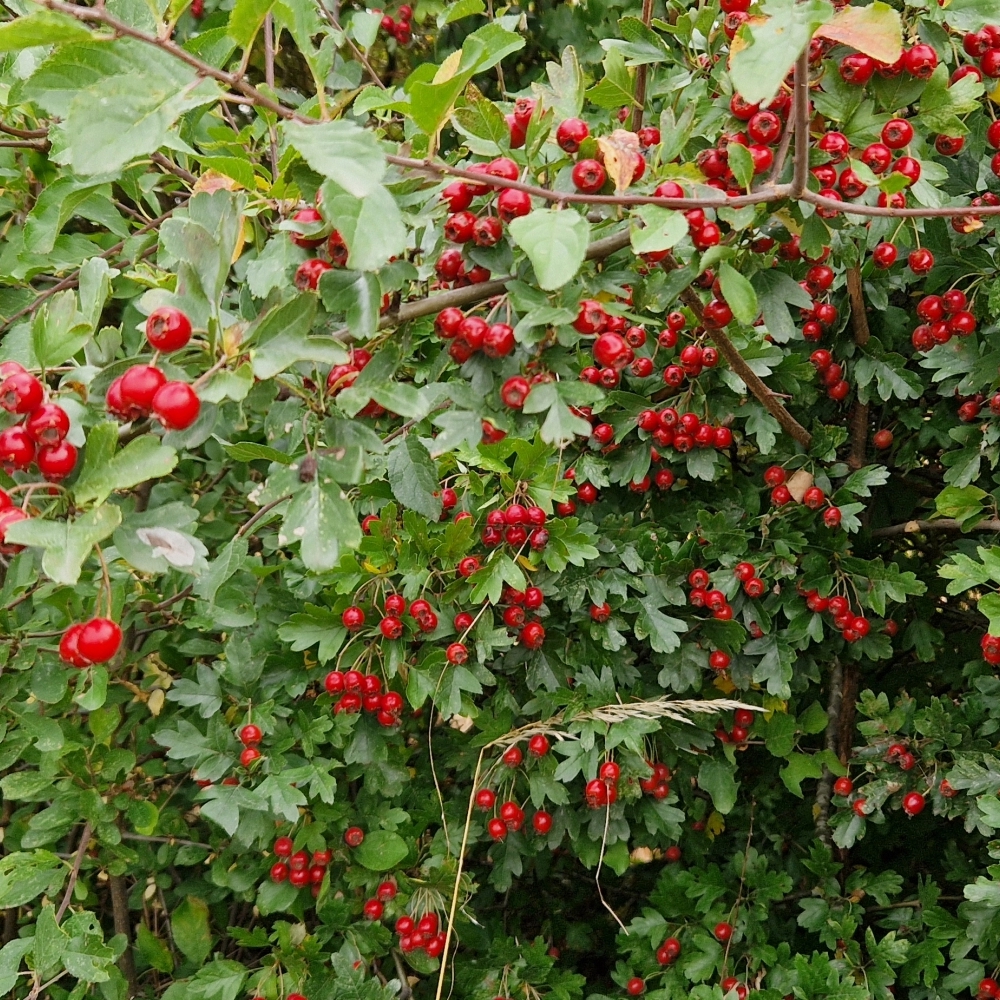
Hawthorn Berries (Crataegus monogyna)
Hawthorns little jewels contain flavonoids and proanthocyanidins- strong antioxidants. traditionally used to aid heart and circulatory issues, (avoid if you have low blood pressure or taking medications). The berries are also good for the digestive system.
For a warming tea, soak 1 tbsp of dried hawthorn berries in 300-400 ml of water overnight. Then, bring the berries and water to a boil, then simmer covered for 15 to 20 minutes. Add to 1 to 2 tsps of dried rose petals and crushed cinnamon stick in a teapot. Cover, let the mixture steep for 10 mins, strain and enjoy!
Conclusion
Next time winter blues set in, remember that nature's remedies are close at hand. Many of the plants you grow, or find in the local hedgerow, offer a remarkable mix of compounds that support your immune system, ease inflammation, and boost your mood. Just get out there and start harvesting!


